
Full House Renovation: The Eco-Friendly Guide from EcoHome Plus Ltd

Undertaking a full house renovation is one of the most rewarding ways to add comfort, value and long-term sustainability to your home. At EcoHome Plus Ltd, we combine practical project management with energy-saving solutions to deliver complete renovations that look beautiful and reduce running costs. Whether you’re modernising an ageing property, reconfiguring space for family life, or transforming a house into an eco-conscious home, this guide walks you through planning, budgeting, sustainable choices and realistic timelines so you can start your renovation with confidence.

Why choose a full house renovation?

Increase property value and marketability.

Improve energy efficiency and lower bills.

Create a healthier living environment with better ventilation and low-toxicity materials.

Solve structural or layout issues in one coordinated project.

Future-proof your home with improved insulation, smart tech and renewable systems.

Planning your full house renovation

Set clear goals

Define what “success” looks like: more living space, better insulation, a modern kitchen, improved accessibility or an entirely new layout. Prioritise must-haves vs nice-to-haves so the project stays on track.

Establish a realistic budget

Break your budget into clear categories:

Structural works and foundations

Plumbing, electrics and heating

Insulation and energy-saving measures

Kitchens, bathrooms and finishes

Professional fees (design, permits, structural engineer)

Always include a contingency of 10–15% to cover unexpected discoveries during strip-out.

Timeline and project phasing

A full house renovation commonly takes 8–20 weeks depending on scope. Typical phases:

Survey & design

Demolition & strip-out

Structural works & services (electrics, plumbing)

Insulation, windows & roofing

First fix (walls, floors)

Second fix (kitchen, bathrooms)

Finishes and snagging

Eco-friendly choices that make a difference

Insulation & airtightness

Upgrading loft, cavity or solid wall insulation and improving airtightness reduces heat loss and energy bills. Focus on continuous insulation and proper detailing to avoid thermal bridges.

High-performance windows & doors

Choose low-E double or triple glazing and thermally broken frames to enhance comfort and reduce heat transfer.

Efficient heating & renewable systems

Consider air or ground source heat pumps, high-efficiency condensing boilers, and smart thermostats. Solar PV with battery storage can offset electricity costs and improve resilience.

Low-impact materials

Use sustainably sourced timber, recycled or natural insulation materials, low-VOC paints and, where appropriate, reclaimed fixtures to reduce embodied carbon and improve indoor air quality.

Water efficiency

Install dual-flush toilets, low-flow showers, and consider rainwater harvesting or greywater reuse for garden irrigation.

Design & usability — making the home work for you

Open-plan vs zoned living: balance daylight, circulation and acoustic privacy.

Universal design: step-free entries, wider doorways and level-access showers increase long-term usability and market appeal.

Storage planning: built-in storage solutions reduce clutter and increase perceived space.

Working with EcoHome Plus Ltd — what to expect

Free initial consultation and site survey

Detailed scope of works and transparent quote

Project manager assigned as single point of contact

Regular progress updates and milestone sign-offs

Dedicated aftercare and warranty for peace of mind

Typical costs (UK guide)

Costs vary widely by region and specification. Typical ranges:

Minor full-house modernisation: £40,000–£70,000

Mid-range full renovation: £70,000–£130,000

High-spec full renovation: £130,000+

Eco-friendly upgrades (insulation, heat pump, solar) increase upfront cost but often yield substantial long-term savings and improved EPC rating.

Practical checklist before you start

Obtain a structural survey and planning advice

Confirm necessary permits and building control requirements

Lock down design decisions and fixtures early

Remove personal belongings and protect valuables

Arrange temporary accommodation if needed

Confirm insurance and site security

Common pitfalls and how to avoid them

Under-budgeting: include contingency and account for hidden works discovered during strip-out.

Changing designs mid-build: finalise core decisions before work starts to avoid delays and extra cost.

Poor project management: choose a contractor with a clear project plan and strong communication.

Ignoring energy performance: prioritise insulation and airtightness early to save money long-term.

Case study snapshot

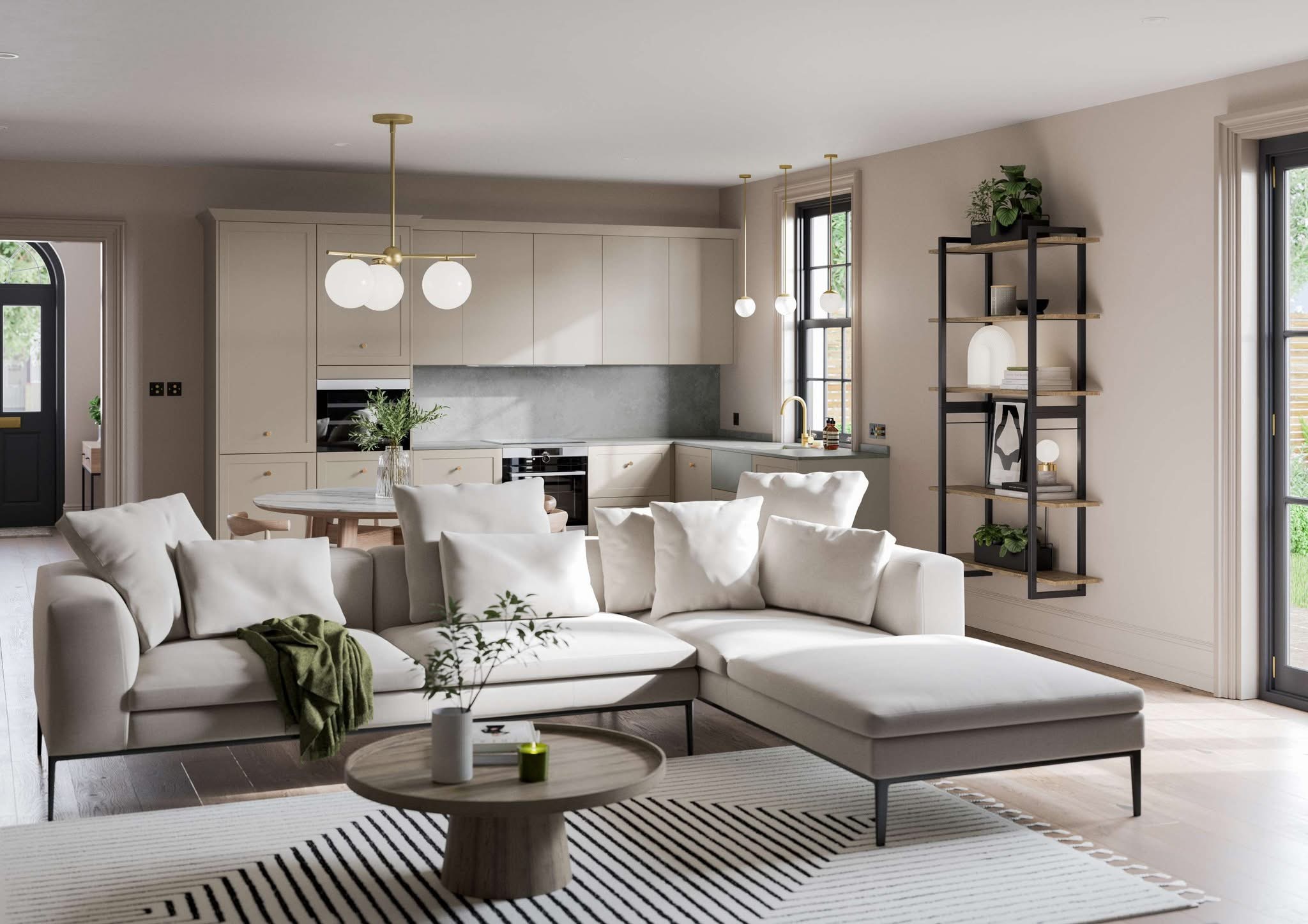
EcoHome Plus Ltd transformed a 1950s semi from EPC D to B by upgrading insulation, installing a smart heat pump system and replacing old windows. Result: 35% lower energy bills, improved comfort year-round and a modern open-plan kitchen/diner.

How long does a full-house renovation take?

Most full-house renovations complete in 8–20 weeks depending on size and complexity.

Is renovating more cost-effective than moving?

It depends on the market and your needs. Renovation avoids moving costs and stamp duty and lets you customise your home, but compare both options before deciding.

Will eco-upgrades pay for themselves?

Many upgrades (insulation, efficient heating, glazing) lower bills and can increase property value. Payback periods vary; our team can model expected savings for your project.

Ready to start your full house renovation?

If you’re planning a full house renovation and want a partner who prioritises sustainability, efficiency and quality finishes, EcoHome Plus Ltd can help from first survey to final sign-off.

Book your free no-obligation survey — Contact EcoHome Plus Ltd or call us on 07722283220 .

=

© ECO HOME PLUSE. All Rights Reserved.