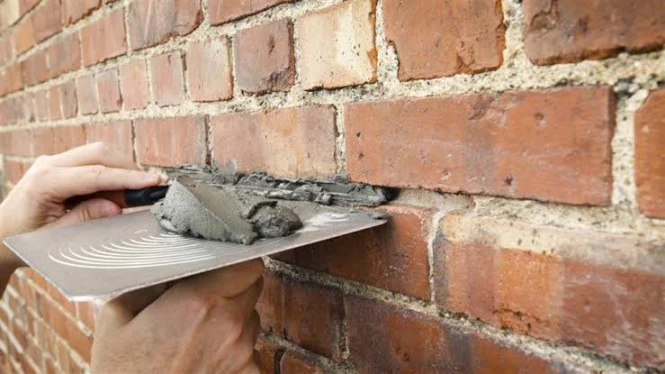
Brickwork is an important part of London's architectural character, from traditional Victorian terraced houses and Edwardian homes to modern residential properties. Over time, the mortar between bricks can deteriorate due to weather exposure, moisture, age, and general wear. When mortar joints become cracked, loose, or eroded, professional brick repointing services in London can help restore the appearance of brickwork and protect the building from further deterioration.
ECOhome Plus LTD provides home renovation and house improvement services across London, helping homeowners maintain, improve, and modernise their properties. Brick repointing is an important maintenance service for properties with exposed brick walls, particularly older buildings where the condition of the mortar can affect both the appearance and long-term performance of the external walls.
Whether you own a Victorian terraced house, a period property, or a modern home with exposed brickwork, choosing the right repointing method can help preserve the existing masonry while maintaining its original character.
In this guide, we explain what brick repointing involves, the signs that your property may need it, the different repointing methods available, and what to consider when arranging brick repointing services in London.
Brick repointing is the process of removing deteriorated mortar from the joints between bricks and replacing it with new mortar that is suitable for the existing masonry.
Mortar holds the brickwork together and helps protect the joints against weather exposure. As it ages, it may become weak, cracked, recessed, or damaged. Repointing renews these joints and helps maintain the condition of the wall.
Professional brick repointing generally involves several stages:
The aim is not simply to make the wall look new. Correct repointing should preserve the brickwork, maintain appropriate moisture movement, and provide durable joints that suit the building.
Mortar deterioration can develop gradually, meaning homeowners may not notice a problem until the damage becomes more visible. Regular inspection of exposed brick walls can help identify issues before they become more extensive.
If mortar can be easily brushed away or appears powdery and loose, it may have deteriorated beyond its intended condition. This can leave joints more vulnerable to rain and weather exposure.
A professional inspection can determine whether repointing is required across the wall or only in isolated areas.
Cracks, gaps, and missing sections of mortar are common signs that repairs may be necessary. Open joints can allow water to enter the masonry and may contribute to further deterioration, particularly during periods of heavy rain or frost.
The cause of the damage should be assessed before new mortar is applied, especially where cracking may indicate movement or another underlying problem.
Mortar that has worn away significantly may sit well behind the brick faces. Deeply recessed joints can affect the appearance of the wall and leave the masonry more exposed to the elements.
Repointing can restore the joints to an appropriate profile, provided the bricks themselves remain suitable for repair.
Moisture appearing on an internal wall may sometimes be related to defects in external masonry, including damaged mortar joints. However, dampness can also result from leaking pipes, roof defects, condensation, failed damp-proofing, or other issues.
If damp patches appear near an external brick wall, the exterior should be inspected alongside other potential sources before deciding whether repointing is appropriate.
Older London houses may have mortar that has weathered over many decades. If the joints are visibly deteriorated, repairs may help preserve the existing brickwork.
Period properties require particular care because the original mortar may have different characteristics from modern cement-based products. Using an unsuitable replacement mortar can damage softer bricks and interfere with the way moisture moves through the wall.
after reading about Brick Repointing Services in London .. more from our refurbishment services
London has many Victorian and Edwardian properties with traditional brick façades. These buildings often require a repair approach that respects the original construction materials and architectural details.
Older brickwork may have been built using relatively soft bricks and lime-based mortar. In such cases, a compatible lime mortar may be more appropriate than a hard modern cement mortar.
The correct choice depends on the original materials, the exposure of the wall, the condition of the bricks, and any conservation requirements.
For period homes, professional repointing should aim to:
A careful approach can improve the condition of the façade while helping preserve the character of the property.
Different repointing methods may be appropriate depending on the building's age, the existing mortar, and the desired finish.
Lime mortar is commonly used in traditional masonry, particularly on older buildings constructed with softer bricks or stone.
It can allow moisture to move through the mortar more readily than some dense cement-based mixes. This can be important for traditional walls that rely on their original materials to manage moisture.
Lime mortar must be selected and installed correctly, with suitable curing and protection during the setting process.
Cement-based mortar may be suitable for certain modern buildings and masonry systems. Its suitability depends on the strength and characteristics of the bricks, the original mortar, and the wall's exposure.
Hard cement mortar should not automatically be used on older or softer brickwork. If it is significantly harder than the surrounding masonry, it may contribute to damage by preventing the joints from accommodating movement or allowing moisture to escape appropriately.
The replacement mortar should be compatible with the existing wall rather than selected solely for strength.
Not every property requires all its external walls to be repointed. If deterioration is limited to specific sections, localised repointing may be sufficient.
This can be appropriate when damage is concentrated around exposed elevations, weathered joints, or particular areas affected by water penetration.
The repaired sections should blend as closely as practical with the surrounding mortar in colour, texture, and profile.
When mortar deterioration is widespread, repointing larger sections or multiple elevations may be necessary.
Full house repointing typically involves a more extensive inspection, access arrangements, careful removal of old mortar, and a consistent finishing approach across the affected walls.
The scope should be established following an inspection so that sound mortar and serviceable brickwork are not removed unnecessarily.
after reading about Brick Repointing Services in London .. more from our refurbishment services
A well-planned repointing project helps protect the existing masonry and achieve a consistent finish.
The first stage is to assess the condition of the bricks and mortar joints. The inspection should identify loose mortar, cracks, areas of water penetration, damaged bricks, and any signs of structural movement.
This helps establish whether repointing alone is appropriate or whether additional repairs are needed.
The mortar should be compatible with the existing masonry. Factors such as brick hardness, original mortar composition, wall exposure, and the property's age all influence the choice.
For traditional London properties, this stage is particularly important because an unsuitable mortar can damage the brickwork over time.
Deteriorated mortar is carefully removed to a suitable depth without unnecessarily damaging the surrounding bricks.
The removal method depends on the condition of the joints and the type of masonry. Careful workmanship is essential because chipped brick edges can affect both the appearance and durability of the finished wall.
The joints are cleaned to remove loose material and prepared for the new mortar. Depending on the mortar system and weather conditions, the masonry may need controlled dampening before application.
Proper preparation helps the replacement mortar bond and cure as intended.
The selected mortar is pressed into the joints and finished to the required profile. The finish may be flush, recessed, weather-struck, or another profile appropriate to the building.
The new joints should complement the existing brickwork while providing a suitable finish for the wall's exposure.
Fresh mortar requires appropriate protection while it cures. Excessively rapid drying, heavy rain, frost, or unsuitable temperatures can affect the final result.
The installation team should follow the mortar manufacturer's guidance or the relevant specification for curing and protection.
The cost of brick repointing in London depends on the size of the area, the condition of the masonry, the mortar required, and how easily the work can be accessed.
Several factors can affect the quotation:
Size of the wall: Larger areas generally require more materials and labour, although the overall cost also depends on access and complexity.
Condition of the mortar: Deeply deteriorated joints may require more careful removal and preparation than minor localised repairs.
Type of mortar: Traditional lime mortar and specialist mixes may have different material and installation requirements.
Access and scaffolding: Upper floors, rear elevations, narrow side passages, and restricted access can increase the cost of reaching the work area safely.
Brick repairs: Damaged or loose bricks may need additional attention before repointing can be completed.
Property type: Period properties and decorative brick façades may require more detailed workmanship to preserve the original appearance.
Finishing requirements: Matching existing mortar colour and joint profiles may require additional preparation and attention.
For an accurate estimate, the property should be inspected and the extent of deterioration established. A clear quotation should explain the areas to be repaired, the proposed mortar, access arrangements, and any additional masonry work.
The duration of a repointing project depends on the size of the wall, the depth and condition of the existing joints, access arrangements, and the weather.
Small repairs may be completed relatively quickly, while repointing several elevations of a house can take considerably longer.
Traditional buildings may also require extra care when selecting and applying mortar, particularly where lime-based materials are involved.
Before work starts, it is helpful to agree on the project scope, access arrangements, and the expected schedule. Weather conditions must also be considered because mortar application and curing can be affected by heavy rain, frost, and excessive drying.
ECOhome Plus LTD provides home renovations and improvement services for residential properties across London. We understand the importance of maintaining external walls as part of a wider property maintenance or refurbishment project.
Brick repointing may be needed before exterior improvements, as part of repairs to an older home, or when investigating deterioration around exposed brickwork. Coordinating masonry repairs with other renovation work can help homeowners plan improvements more effectively.
When considering repointing, the priority should be to identify the actual cause of the deterioration, select compatible materials, and carry out the work carefully.
For older London homes, preserving the original brickwork is particularly important. A suitable repair approach should improve the condition of the mortar joints without compromising the character or performance of the wall.
If you are planning exterior repairs or a broader house renovation, ECOhome Plus LTD can discuss your project requirements and help you determine the appropriate next steps.
Damaged mortar joints can affect the appearance and weather resistance of exposed brickwork. Addressing deterioration at the right time can help maintain the condition of your property and reduce the risk of more extensive masonry repairs.
From localised mortar repairs to repointing larger sections of a house, the appropriate solution depends on the condition of the wall, the original materials, and the level of deterioration.
Contact ECOhome Plus LTD to discuss your property improvement plans and request a quotation for brick repointing services in London.
Whether you own a traditional terraced house or a more modern property, careful inspection, compatible mortar, and professional workmanship are essential to achieving a durable and visually consistent result.
after reading about Brick Repointing Services in London .. more from our home refurbishment services
© ECO HOME PLUSE. All Rights Reserved.