
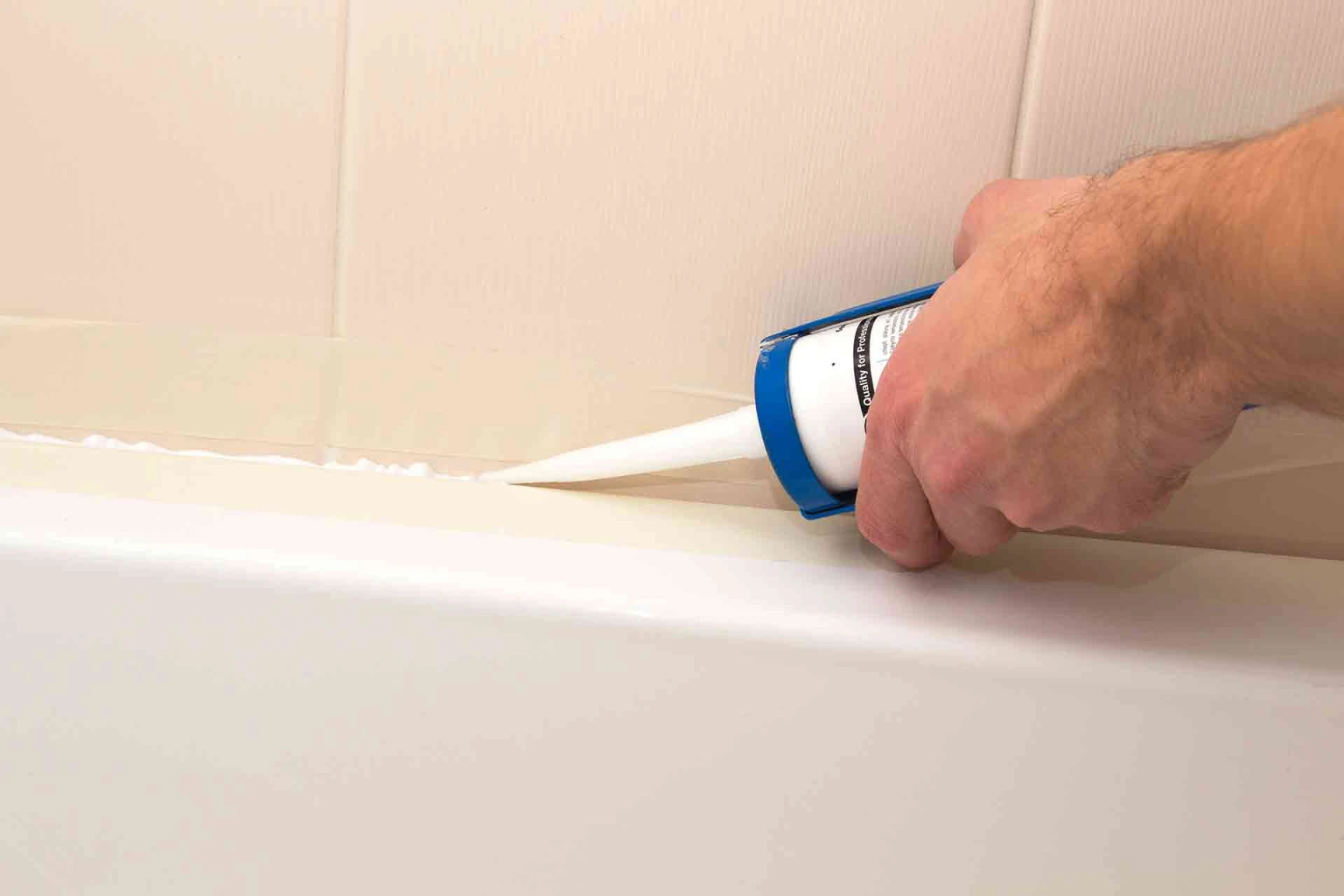
Bathroom re-sealing is an important part of maintaining a clean, hygienic, and watertight bathroom. Over time, silicone sealant around baths, showers, sinks, and other bathroom fixtures can deteriorate, become discoloured, crack, or lose its adhesion. When this happens, water can penetrate gaps and cause damp patches, mould growth, and damage to surrounding surfaces.
At ECOhome Plus LTD, we provide professional bathroom re-sealing services in London to help homeowners restore the seal around bathroom fixtures and protect their properties from moisture-related problems. Whether you need old silicone removed and replaced or the sealing around your shower or bathtub refreshed, our team can help you achieve a neat, durable finish.
Bathroom re-sealing involves removing deteriorated silicone sealant and applying new waterproof sealant to joints around bathroom fixtures. These joints are particularly important in areas regularly exposed to water, including showers, bathtubs, washbasins, and tiled surfaces.
Silicone sealant creates a flexible barrier that helps prevent water from entering gaps between different materials. However, it does not last forever. Regular exposure to moisture, cleaning products, temperature changes, and movement between surfaces can gradually affect its performance.
Professional bathroom re-sealing helps restore these protective joints without necessarily requiring a complete bathroom renovation.
Recognising damaged sealant early can help prevent more expensive repairs. Consider replacing the silicone if you notice any of the following problems.
Black or dark patches around a bath, shower tray, or sink are common signs that the sealant has become contaminated or deteriorated. Surface cleaning may remove some staining, but mould that has penetrated the sealant can be difficult to eliminate completely.
Removing the affected silicone and applying new sealant may be the most effective solution when staining persists.
Silicone should remain flexible and firmly attached to the surfaces it seals. If it begins cracking, shrinking, peeling, or separating from tiles and bathroom fixtures, gaps can develop that allow water to pass through.
Replacing damaged sealant restores the joint and reduces the risk of water penetration.
Water escaping through gaps around a bathtub or shower enclosure can damage flooring, plasterboard, skirting boards, and nearby surfaces. If you notice water appearing outside the shower area, inspect the sealant and surrounding joints.
However, not every leak is caused by silicone. Plumbing connections, shower trays, waste pipes, and concealed waterproofing problems may also need investigation before resealing.
Old sealant can become yellow, stained, brittle, or uneven. Even when there is no obvious leak, deteriorated silicone can make a bathroom look poorly maintained.
Fresh sealant provides a cleaner finish while helping maintain the protective barrier around fixtures.
Small gaps between tiles and a bathtub, shower tray, or basin can allow water to enter areas that should remain protected. These gaps should be assessed and sealed using an appropriate product for the materials and conditions involved.
ECOhome Plus LTD can help with a range of bathroom sealing requirements, depending on the condition of the existing installation.
The joint between a bathtub and the surrounding tiles is regularly exposed to water. When the silicone deteriorates, water may enter the gap and affect nearby materials.
Our bath re-sealing service involves removing the old sealant, preparing the joint, and applying a fresh, suitable bathroom-grade silicone sealant to create a neat finish.
Shower areas experience frequent water exposure, making the condition of their sealant particularly important. We can replace deteriorated silicone around suitable shower trays, enclosures, and tiled joints.
Before resealing, the source of any leak should be identified. Replacing silicone alone will not resolve problems caused by defective plumbing or failed concealed waterproofing.
Movement between a shower tray and the surrounding wall can place stress on the sealant. Over time, this may cause separation or cracking.
Proper preparation and the correct sealant are essential for a durable finish. The shower tray and joint should also be assessed for movement or installation defects before the new silicone is applied.
The edges around bathroom sinks and basins can develop gaps, staining, and deteriorated sealant. Replacing the silicone helps protect the surrounding surfaces from water splashes and gives the installation a cleaner appearance.
Some joints between bathroom fixtures and tiled surfaces require flexible silicone rather than rigid grout. We assess the joint and choose a suitable sealing material based on its location, the adjoining surfaces, and the manufacturer's recommendations.
It is important to distinguish silicone joints from tiled grout joints because they perform different functions and require different repair methods.
after reading about bathroom resealing services in london .. read more from our renovation services london
A professional result depends on proper preparation as much as the quality of the new sealant. Our bathroom re-sealing work follows a practical process tailored to the condition of the area.
We examine the affected joints to identify cracks, mould, separation, and visible signs of water penetration. Where necessary, the surrounding area should be checked for underlying issues that could affect the new seal.
The deteriorated sealant is carefully removed using suitable tools. This helps create a clean joint for the replacement material and reduces the risk of the new silicone bonding poorly to the old surface.
Care is taken to avoid damaging tiles, baths, shower trays, and other fixtures.
Remaining residue, dirt, soap deposits, and moisture can interfere with adhesion. The joint must be properly cleaned and prepared according to the sealant manufacturer's instructions.
The surfaces also need to be sufficiently dry before the new sealant is applied.
A suitable bathroom-grade silicone is applied evenly along the joint. The product should be appropriate for the surfaces involved and the expected exposure to moisture.
A neat application helps create a consistent finish while maintaining the flexibility required for the joint.
The sealant is finished to create a smooth, consistent bead. It must then be allowed to cure for the period specified by the manufacturer before the area is exposed to water.
Following the recommended curing time helps ensure the new sealant performs as intended.
The cost of bathroom re-sealing in London depends on the size of the job, the condition of the existing silicone, and the number of joints that need attention.
Common factors affecting the price include:
For an accurate estimate, it is best to assess the specific areas that need resealing rather than rely on a standard price for every bathroom.
Well-maintained silicone joints help prevent water from passing through gaps around bathroom fixtures. This can reduce the risk of moisture damage when the surrounding installation and waterproofing are in good condition.
Fresh silicone creates cleaner lines around baths, sinks, shower trays, and tiled surfaces. Replacing stained or peeling sealant can noticeably improve the overall appearance of a bathroom.
Removing deteriorated silicone and replacing it with an appropriate bathroom sealant can help address mould embedded in the old material. Good ventilation and regular cleaning are also important for reducing future mould growth.
Re-sealing is a relatively focused maintenance task compared with a full bathroom refurbishment. When the underlying surfaces and fixtures remain in good condition, replacing the silicone may be sufficient to restore the affected joints.
Water entering gaps can affect paint, plaster, flooring, and nearby fittings. Maintaining sound seals helps protect these finishes, although any existing damage or concealed leaks should be investigated separately.
after reading about bathroom resealing services in london .. read more from our renovation services london
Choosing the right contractor means looking beyond the appearance of the finished silicone. Proper assessment, surface preparation, and material selection all contribute to a reliable result.
ECOhome Plus LTD provides home improvement and renovation services in London, helping property owners maintain and improve their living spaces.
When arranging bathroom re-sealing, we focus on:
Whether you need to reseal a bathtub, replace shower silicone, or refresh several joints throughout your bathroom, ECOhome Plus LTD can help you determine the appropriate scope of work.
London properties include a wide range of bathroom layouts, from compact bathrooms in flats to larger family bathrooms in period houses and modern homes. Each installation can present different sealing requirements depending on its age, materials, ventilation, and condition.
For landlords and property managers, replacing damaged or unsightly silicone can be a useful part of preparing a property for new tenants or maintaining an existing rental. Homeowners may also arrange re-sealing before selling a property or as part of a wider bathroom improvement project.
In older properties, persistent dampness should be investigated carefully. New silicone can improve a damaged joint, but it cannot correct every moisture problem or replace a failed waterproofing system.
In addition to bathroom re-sealing, ECOhome Plus LTD offers a range of home renovation and improvement services to help homeowners upgrade and maintain their properties.
Our services include:
If your bathroom needs more than new silicone, our wider renovation services can help you explore the next steps for improving the space.
There is no single replacement interval for every bathroom. The lifespan of silicone depends on its quality, installation, ventilation, cleaning routine, and exposure to water. Replace it when it becomes cracked, detached, persistently mouldy, or otherwise ineffective.
Applying new silicone directly over deteriorated silicone is generally not recommended. The new material may not bond properly, leading to premature failure. Removing the old sealant and preparing the joint correctly usually provides a better result.
The time required depends on the number and length of joints, the condition of the existing sealant, and how difficult it is to remove. Small jobs may be completed relatively quickly, but the sealant still needs the manufacturer's recommended curing time before the area is used.
Replacing mould-affected silicone can remove contamination within the old sealant, but it does not guarantee that mould will never return. Poor ventilation, persistent condensation, leaks, and damp surfaces can contribute to future growth.
No. You should follow the curing instructions for the specific silicone product used. Exposing it to water too early may compromise the seal.
It can help resolve leaks caused by failed silicone joints. However, leaks originating from plumbing, shower components, damaged trays, or concealed waterproofing require the underlying cause to be repaired.
ECOhome Plus LTD focuses on renovation and home improvement services in London. Contact the company to confirm availability for your property and discuss the work required.
Damaged silicone around your bath, shower, or sink can allow water to enter gaps and affect the surrounding finishes. Addressing deteriorated sealant promptly can help maintain a cleaner bathroom and reduce the risk of moisture-related damage.
Contact ECOhome Plus LTD to discuss your bathroom re-sealing requirements in London. Whether you need bathtub silicone replacement, shower re-sealing, or help with a wider bathroom renovation, our team can help you identify the appropriate solution for your property.
after reading about bathroom resealing services in london .. read more from our renovation services london



© ECO HOME PLUSE. All Rights Reserved.