
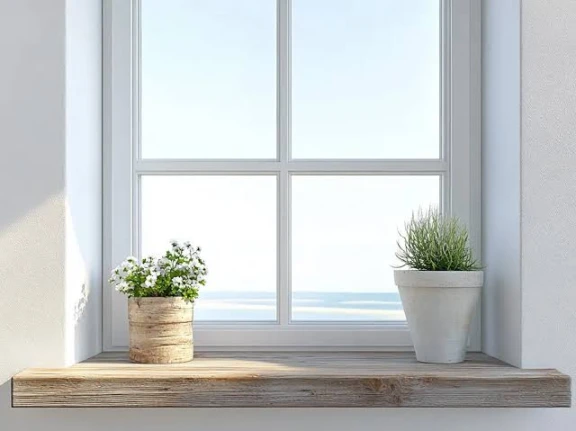
Damaged window sills can affect the appearance of a property, allow moisture to cause further deterioration, and create problems around windows if left untreated. Whether you have a cracked internal sill, a rotten external timber sill, or a weather-damaged stone or concrete sill, professional window sill replacement in London can help restore the finish and protect the surrounding area.
ECOhome Plus LTD provides home renovation and improvement services across London, helping homeowners maintain, upgrade, and improve their properties. Window sill replacement is a practical renovation service for properties with deteriorating materials, damaged finishes, or outdated window details.
In this guide, we explain when window sill replacement is necessary, the different materials available, how the installation process works, and what affects the cost of replacing a window sill in London.
A window sill is the horizontal surface at the bottom of a window opening. Internal window sills provide a finished surface inside the room, while external window sills help direct rainwater away from the wall and window area when correctly designed and installed.
Window sill replacement involves removing a damaged or unsuitable sill and fitting a new one that matches the window, wall construction, and property's requirements.
The work may involve timber, MDF suitable for the intended interior application, natural stone, concrete, or other materials designed for the location. The right choice depends on whether the sill is internal or external, its exposure to moisture, the existing window system, and the desired finish.
Although a window sill may appear to be a small component, its condition can influence the appearance and maintenance of the surrounding window area. External sills are particularly important because poor drainage or failed joints can contribute to water penetration.
Not every damaged sill requires complete replacement. Some surface imperfections can be repaired, sanded, filled, or refinished. However, when deterioration is extensive or the sill no longer performs its intended function, replacement may be the more suitable option.
Timber window sills can deteriorate when exposed to persistent moisture, damaged paintwork, leaking window joints, or inadequate drainage.
Common warning signs include soft or crumbling timber, peeling paint, dark patches, cracking, and sections that break away easily. Painting over rotten wood will not solve the underlying problem.
Before fitting a replacement, the source of moisture should be identified and addressed. This is especially important for external window sills, where rainwater can repeatedly affect the same area.
Stone and concrete window sills can develop cracks, chipped corners, surface erosion, or damaged joints over time.
Minor surface defects may be repairable, depending on their severity and the condition of the material. However, significant cracking, loose sections, or deterioration that affects drainage may justify replacement.
The condition of the surrounding masonry and window installation should also be checked to determine whether the sill is the only component that needs attention.
Water staining beneath a window, damp patches near the opening, or deterioration around the sill may indicate a problem with drainage, seals, joints, or the window installation.
A damaged external sill can contribute to water penetration, but it is not always the sole cause. Leaking frames, failed sealant, defective pointing, and other building defects can produce similar symptoms.
A proper inspection should identify the source of the water ingress before any replacement work begins. Otherwise, a new sill may not resolve the underlying issue.
Internal window sills can become scratched, swollen, chipped, or discoloured through everyday use and exposure to condensation.
Replacing an old sill can improve the appearance of a room, especially during a wider renovation involving new windows, plastering, decorating, or updated interior finishes.
Homeowners may also choose a new material or colour to coordinate the sill with flooring, wall colours, and other interior details.
Window sill replacement is often carried out alongside window replacement or refurbishment work.
When a new window is installed, the existing sill may be damaged during removal or may no longer suit the updated window arrangement. Replacing the sill at the same time can help achieve a consistent finish and reduce the need for separate repair work later.
It can also be included in full house renovation projects where homeowners are upgrading several rooms or improving the property's exterior appearance.
after reading about Window Sill Replacement in London .. read more about renovation services london
interior designer westminster london
Choosing the right material is essential for durability, appearance, and maintenance. The best option depends on the sill's location, exposure to weather, compatibility with the window, and the property's style.
Timber sills are suitable for many traditional and contemporary interiors. They can be painted, stained, or finished to match existing woodwork.
For external applications, the timber must be appropriate for outdoor exposure and protected with a suitable coating and installation detail. Regular maintenance is important to reduce the risk of moisture damage.
Timber can be a particularly suitable choice for period properties where preserving traditional details is a priority.
MDF window boards are commonly used for internal applications because they provide a smooth surface that can be painted.
They can work well in bedrooms, living rooms, and other dry interior spaces. However, the product must be suitable for the expected moisture conditions. Standard MDF is not appropriate for locations where it will be exposed to persistent moisture.
Natural stone can provide a durable and distinctive finish, particularly for external windows or properties where the architectural appearance is important.
Different types of stone have different characteristics, maintenance requirements, and costs. The sill must be correctly measured, supported, and detailed to suit the window opening and exposure conditions.
Concrete sills are often found in masonry buildings and can provide a robust external finish.
Over time, they may suffer from cracking, weathering, or deterioration around joints. Replacing a concrete sill requires careful attention to its dimensions, support, drainage profile, and relationship with the surrounding brickwork.
uPVC components are commonly used with modern window systems and can offer a low-maintenance finish.
Compatibility is important when replacing a sill associated with a uPVC window. The replacement must suit the existing window system and provide appropriate weather protection and drainage.
A successful window sill replacement project involves more than removing the old material and fitting a new board. Careful measurement, preparation, and attention to water management are essential.
The first step is to assess the condition of the sill and surrounding window area.
The inspection should identify visible cracks, rot, loose material, failed sealant, water staining, and any signs of damage to the adjacent plaster or masonry.
For external sills, the condition of the drainage profile and the way rainwater moves away from the wall are particularly important.
The replacement material should be suitable for the location and intended use.
An internal sill may prioritise appearance and ease of cleaning, while an external sill must also withstand weather exposure and help manage rainwater. The style of the property, the existing window system, and the homeowner's budget should all be considered.
The replacement should also be compatible with the surrounding finishes to avoid unnecessary differences in appearance.
Accurate measurements help ensure that the replacement sill fits correctly.
The installer must consider the width and depth of the opening, the required overhang where applicable, the thickness of the material, and the condition of the surrounding surfaces.
External sills may require a suitable slope and projecting edge to direct water away from the wall. The exact design depends on the material and window construction.
The old sill is removed carefully to minimise damage to the window frame, brickwork, plaster, and surrounding finishes.
The removal method depends on whether the existing sill is timber, stone, concrete, or another material. Older properties may require additional care because the surrounding masonry and plaster can be fragile.
If hidden deterioration is discovered, the affected area should be assessed before installation continues.
After removal, the opening is cleaned and prepared for the replacement sill.
Loose material, unsuitable mortar, damaged timber, or deteriorated bedding may need attention. Any underlying moisture problem should be resolved before the new component is installed.
The installer should ensure that the supporting surface is appropriate for the selected material and installation method.
The replacement sill is positioned, levelled, and secured using an appropriate method for the material and window construction.
For external installations, the detailing should help prevent water from entering the wall and direct rainwater away from the building. This may involve a suitable slope, projecting edge, drip detail, and properly formed joints, depending on the design.
The installation should also maintain compatibility with the window frame and any existing drainage arrangements.
The final stage involves completing the joints and surrounding finishes.
Depending on the project, this may include applying suitable sealant, repairing adjacent plaster or masonry, painting a timber sill, or finishing the surrounding trim.
The installer should check that the sill is secure, that the joints are appropriately finished, and that the completed work provides the intended appearance and weather protection.
after reading about Window Sill Replacement in London .. read more about renovation services london
The cost of window sill replacement in London depends on the material, dimensions, accessibility, and condition of the surrounding area.
Replacing a small internal window board is generally a different job from removing a heavy external stone sill or repairing damaged masonry around a window.
The main factors affecting the price include:
For an accurate quotation, homeowners should request a property-specific assessment. It is helpful to confirm whether the price includes removal, disposal, replacement materials, installation, sealing, and any associated repairs.
Replacing a damaged window sill can offer several practical and visual benefits.
A new sill can refresh the look of a room or the exterior of a property. Matching the material and finish to the existing windows and surrounding surfaces helps create a consistent result.
A correctly designed and installed external sill can help direct rainwater away from the wall. This is particularly important where the existing sill has cracks, poor drainage details, or failed joints.
However, replacement alone will not solve every damp problem. The source of any water ingress must be identified and addressed.
Replacing badly deteriorated material can reduce the need for repeated patching and repainting. Selecting an appropriate material and maintaining its protective finish can help extend its service life.
When a property is being fitted with new windows, replacing worn sills at the same time can help achieve a coordinated finish and reduce the likelihood of needing further work shortly afterwards.
Window sill replacement can be coordinated with plastering, decorating, window installation, and other home improvement services. Planning these tasks together can help reduce disruption and improve the final finish.
London properties vary considerably in age, construction, and architectural style. Victorian and Edwardian terraces may feature traditional timber or stone sills, while newer homes often use modern window systems and manufactured components.
Older buildings may have weathered brickwork, historic detailing, or previous repairs that need careful consideration before a sill is removed. Modern properties may require replacement parts that are compatible with existing uPVC or aluminium window systems.
Flats and upper-floor properties can also present access challenges, particularly for external sill replacement. The appropriate working method depends on the location, the building's layout, and the scope of the repair.
For these reasons, window sill replacement should be planned around the specific property rather than using a standard approach for every window.
ECOhome Plus LTD provides home renovation and improvement services for residential properties across London. Window sill replacement can be an important part of maintaining a property, refreshing interior finishes, or completing a wider renovation.
Before starting the work, homeowners should establish the condition of the existing sill, select a suitable replacement material, and identify any underlying issues such as water ingress or damaged masonry.
A clearly defined scope of work helps determine whether the project requires only sill replacement or additional repairs, sealing, plastering, or decorating. Coordinating these tasks can help achieve a more consistent finish throughout the property.
If you are planning to replace damaged window sills or update the finish around your windows, contact ECOhome Plus LTD to discuss your renovation requirements and the work needed for your property.
A straightforward internal window sill replacement may be completed within a few hours, depending on the size and installation method. External stone or concrete sills, difficult access, and additional masonry repairs can require more time.
Yes. Minor cracks, surface damage, and some timber defects may be repairable. However, extensive rot, significant cracking, loose sections, or serious deterioration may make replacement more appropriate.
There is no single best material for every property. Timber and MDF may be suitable for certain internal applications, while stone, concrete, treated timber, and compatible uPVC components may be considered for different external or window-system requirements.
Water around a window may result from damaged sealant, a defective window frame, poor drainage, cracks, or problems with the surrounding masonry. The cause should be identified before deciding whether the sill needs repair or replacement.
External sills generally need suitable detailing to direct rainwater away from the building. The required slope and drainage features depend on the material, design, and window construction.
Yes. It can be coordinated with window replacement, plastering, decorating, and other renovation work, making it easier to complete related repairs and finishes as part of one project.
Not necessarily. Each sill should be assessed individually. If only one sill is damaged, replacing that component may be sufficient, provided the surrounding window and wall are in good condition.
Alongside window sill replacement, ECOhome Plus LTD offers a range of renovation services in London to help homeowners repair, modernise, and improve their properties. Depending on your project requirements, our home renovation services can include full house renovation, kitchen and bathroom renovation, basement renovation, loft conversions, home extensions, plastering, flooring, decorating, carpentry, door installation, and other interior improvement work.
Whether you are updating a single room or planning a more extensive property renovation, coordinating the necessary services can help create a consistent finish and make the project easier to manage. Contact ECOhome Plus LTD to discuss your renovation plans, explain the improvements you want to make, and explore the services suitable for your London property.
A damaged window sill can affect the appearance of your home and, in some cases, contribute to moisture problems around the window. Choosing a suitable replacement and ensuring that it is installed correctly can help improve the finish and protect the surrounding area.
Contact ECOhome Plus LTD to discuss your window sill replacement requirements in London, whether you need a new internal window board, a replacement external sill, or associated repairs as part of a wider home renovation.
If you are searching for window sill replacement in London, window sill installation in London, or professional home improvement services, start by assessing the condition of your existing sill and identifying the most suitable solution for your property.
after reading about Window Sill Replacement in London .. read more about renovation services london


© ECO HOME PLUSE. All Rights Reserved.