
A properly installed toilet is essential for a comfortable, functional, and hygienic bathroom. Whether you are replacing an old toilet, upgrading your bathroom during a renovation, or fitting a new toilet in a refurbished property, professional installation helps ensure reliable operation and a neat finish.
ECOhome Plus LTD provides home renovation and improvement services in London, helping homeowners improve the functionality and appearance of their properties. If you need toilet installation in London, choosing the right toilet, preparing the plumbing connections, and ensuring a secure installation are important steps towards achieving a dependable result.
In this guide, we explain the different types of toilets available, when replacement may be necessary, how professional toilet fitting works, and what to consider when planning your bathroom project.
Toilet installation involves more than connecting a new toilet to the existing plumbing. The installer must check the waste outlet, water supply, available space, floor condition, and compatibility of the new fixture with the existing bathroom layout.
ECOhome Plus LTD can help homeowners planning bathroom improvements understand the work involved in replacing an existing toilet or incorporating a new toilet into a wider renovation project.
Depending on the property and installation requirements, toilet fitting may involve:
The exact work required depends on the toilet design, the condition of the existing plumbing, and whether the new fixture will remain in its current position.
Choosing the right toilet is an important part of planning a bathroom upgrade. Different designs offer different advantages in terms of appearance, cleaning, available space, and installation requirements.
Close-coupled toilets are a common choice for residential bathrooms. The cistern sits directly on the toilet pan, creating a straightforward design that suits many traditional and modern properties.
These toilets are available in a range of shapes, sizes, and finishes. They can be suitable for family bathrooms, rental properties, and replacement projects where the existing plumbing arrangement is compatible.
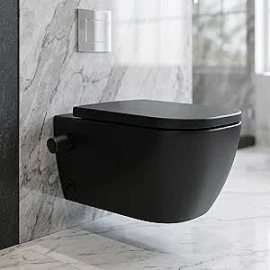
Wall-hung toilets are mounted above the floor, with the cistern and supporting frame concealed behind a suitable wall or service structure.
Their streamlined appearance can make a bathroom feel more spacious and simplify cleaning around the floor. However, installation requires an appropriate supporting frame, suitable wall construction, and access to concealed plumbing components.
Wall-hung toilets are often considered during complete bathroom renovations rather than simple like-for-like replacements.
Back-to-wall toilets sit close to the wall, while the cistern is concealed within a suitable unit or behind a service panel.
This design offers a clean appearance without the fully suspended installation required for a wall-hung toilet. The surrounding unit and access arrangements should be planned carefully to allow future maintenance.
Corner toilets are designed for bathrooms where space is limited. Some models feature a cistern shaped to fit into a corner, potentially making better use of a compact layout.
Before choosing a corner toilet, it is important to confirm that the available dimensions, waste outlet, and plumbing connections are suitable.
Comfort-height toilets have a higher seating position than some standard models. They may be worth considering for people who find a higher seat more convenient.
The correct height depends on the needs of the household and the product specifications. It is advisable to check the dimensions before purchasing.
Not every toilet problem requires a complete replacement. Some issues can be resolved by repairing the flush mechanism, replacing a seal, or addressing a plumbing fault. However, certain problems may make a new toilet a more practical long-term option.
Visible cracks in porcelain can compromise the integrity of the fixture and may cause leaks. Depending on the location and severity, replacement may be the safest practical solution.
Water around the base of a toilet may indicate a failed seal, a loose connection, a damaged pipe, or another installation issue. The source should be identified before deciding whether the toilet itself needs replacing.
An unreliable flush may result from a faulty flush valve, a worn mechanism, or a problem with the water supply. If the toilet has repeated faults or replacement parts are difficult to obtain, upgrading the complete unit may be worthwhile.
A toilet that continues to refill or allows water to pass into the bowl may have a faulty inlet valve, flush valve, or internal seal. These components can often be repaired, so a full replacement is not always necessary.
Replacing the toilet during a bathroom renovations london can help coordinate the new fixture with updated flooring, wall finishes, sanitaryware, and the overall design.
Older toilets may have flushing systems that use more water than some modern alternatives. When choosing a replacement, compare the manufacturer's stated water consumption and flushing performance rather than assuming every new model offers the same savings.
after reading about toilet installation London .. read more from flat renovations services
A well-planned installation helps reduce the risk of leaks, unstable fittings, and problems caused by incompatible connections.
The first step is to examine the current toilet, water supply, waste outlet, and surrounding area. The installer should identify the existing connection type and check whether the new toilet will fit without substantial plumbing alterations.
Measurements are especially important when switching to a different toilet design.
The replacement should suit the bathroom dimensions, household requirements, and existing plumbing arrangement.
Important considerations include the toilet's overall dimensions, waste outlet position, cistern type, flushing mechanism, and access for future maintenance.
Where replacement is required, the water supply is isolated and the existing toilet is disconnected and removed. The surrounding floor and plumbing connections can then be inspected for visible damage or deterioration.
Older fittings may require additional care during removal, particularly if the existing toilet has been in place for many years.
The waste outlet, water supply, and installation surface are checked before the new fixture is fitted. Any incompatible or damaged components should be addressed before installation continues.
If the new toilet requires a different waste outlet position or concealed cistern, additional plumbing or building work may be necessary.
The toilet is positioned according to the manufacturer's instructions, with suitable seals and connections installed. The pan must be stable and securely fixed without placing unnecessary stress on the ceramic.
For concealed cisterns and wall-hung models, the supporting frame, service access, and surrounding construction must also be suitable.
Once the toilet is fitted, the water supply is reconnected and the flushing system is tested. The installer checks for leaks, confirms that the cistern fills and flushes correctly, and verifies that the waste connection is functioning properly.
The final checks should also confirm that the toilet remains stable and that all connections are secure.
The cost of toilet installation in London varies according to the type of toilet, the complexity of the work, and the condition of the existing plumbing.
Several factors can affect the overall price.
Type of toilet: A straightforward close-coupled replacement may involve less work than installing a wall-hung toilet with a concealed cistern.
Labour requirements: Removing an old fixture, preparing the area, and fitting the replacement all contribute to the installation time.
Plumbing alterations: Moving the toilet to a different location or changing the waste outlet can increase the amount of work required.
Condition of the existing installation: Damaged pipes, deteriorated seals, uneven flooring, or other defects may need attention before the new toilet can be installed.
Additional materials: New valves, connectors, fixing components, and other installation materials may be required.
Bathroom renovation work: If the toilet installation forms part of a wider project, additional work involving flooring, tiling, plastering, or concealed plumbing may affect the total cost.
For an accurate quotation, the installation requirements should be assessed before work begins. It is also useful to confirm whether the quoted price includes the toilet itself, installation materials, removal of the old unit, and disposal.
after reading about toilet installation London .. read more from flat renovation services
Correctly fitted seals and secure plumbing connections help prevent water escaping around the toilet or its supply pipe. Proper testing after installation is important for identifying potential problems early.
A suitable toilet can improve comfort, flushing performance, and everyday usability. Choosing the right design also helps make better use of the available bathroom space.
Professional fitting helps ensure that the toilet sits correctly, the connections are properly arranged, and the finished installation looks consistent with the surrounding bathroom.
Selecting a toilet with accessible components and suitable replacement parts can make future maintenance simpler. This is particularly important when installing concealed cisterns or wall-hung designs.
A new toilet can be coordinated with a new basin, shower, bath, flooring, and wall finishes to create a more consistent bathroom design.
London properties include a wide variety of bathroom layouts, from compact flats and converted period buildings to modern family homes. The type of property can influence the installation requirements.
In smaller bathrooms, a compact toilet or wall-hung design may help maximise usable floor space, provided the plumbing and supporting structure are suitable.
In older properties, the existing waste outlet and water connections may differ from those used in modern installations. The condition of the floor and surrounding pipework should therefore be checked before choosing a replacement.
For landlords and property managers, a properly installed and functioning toilet is an important part of maintaining a rental property. Homeowners undertaking a full refurbishment may also benefit from planning toilet installation alongside other plumbing and finishing work.
Where the installation involves moving drainage connections or making significant changes to the building, the work should be assessed for any applicable Building Regulations and other requirements.
ECOhome Plus LTD provides renovation and home improvement services in London, helping homeowners improve the usability and appearance of their properties.
When planning a toilet replacement or bathroom upgrade, it is important to consider how the new fixture will work with the existing plumbing and the wider design of the room.
Our approach focuses on:
Whether you are replacing an outdated toilet or planning a more extensive bathroom refurbishment, ECOhome Plus LTD can help you explore the appropriate renovation options.
Alongside toilet installation, ECOhome Plus LTD offers a range of home renovation and improvement services for London properties.
Our services include:
If you are updating your bathroom, these services can help you plan toilet installation alongside other improvements where required.
A straightforward replacement may be completed within a few hours when the existing connections are compatible and no unexpected problems arise. More complex installations involving concealed cisterns, wall-hung toilets, or plumbing alterations can take longer.
In many cases, yes. A like-for-like replacement is often simpler when the new toilet uses a compatible waste outlet and water connection. Different toilet designs or altered positions may require additional plumbing work.
It can be a good option because the floor beneath the toilet remains clear and the design can create a more open appearance. However, it requires a suitable supporting frame, appropriate installation space, and access to concealed components.
Not necessarily. The leak may come from a worn seal, a supply connection, or an internal component. Identifying the source first helps determine whether a repair or full replacement is appropriate.
Some modern models are designed to use less water than older toilets. Water consumption varies by product, so check the manufacturer's specifications and flushing performance before choosing a replacement.
Yes, in some circumstances, but relocating a toilet can involve changes to drainage, pipework, flooring, and potentially the surrounding structure. The feasibility and cost depend on the property's layout and existing plumbing.
ECOhome Plus LTD provides home renovation and improvement services in London. Contact the company to discuss your project and confirm the availability and scope of the required toilet installation work.
If your existing toilet is damaged, outdated, or no longer suitable for your bathroom, replacing it can improve the room's functionality and appearance. Choosing a compatible fixture and ensuring that the plumbing connections are installed correctly are essential parts of the process.
Contact ECOhome Plus LTD to discuss toilet installation in London and explore the options available for your property. Whether you need a straightforward toilet replacement or are planning a complete bathroom renovation, we can help you plan the next steps for your home improvement project.
after reading about toilet installation London .. read more from flat renovation services


© ECO HOME PLUSE. All Rights Reserved.